When General Muhoozi Kainerugaba, Chief of Defence Forces of the Uganda People’s Defence Forces, announced on Sunday that he had ordered the immediate closure of major media outlets in Uganda, the country’s information landscape went dark. The military chief claimed authority granted by President Yoweri Museveni to shut down any media house he deemed necessary, leaving viewers with blank screens and journalists locked out of their offices.
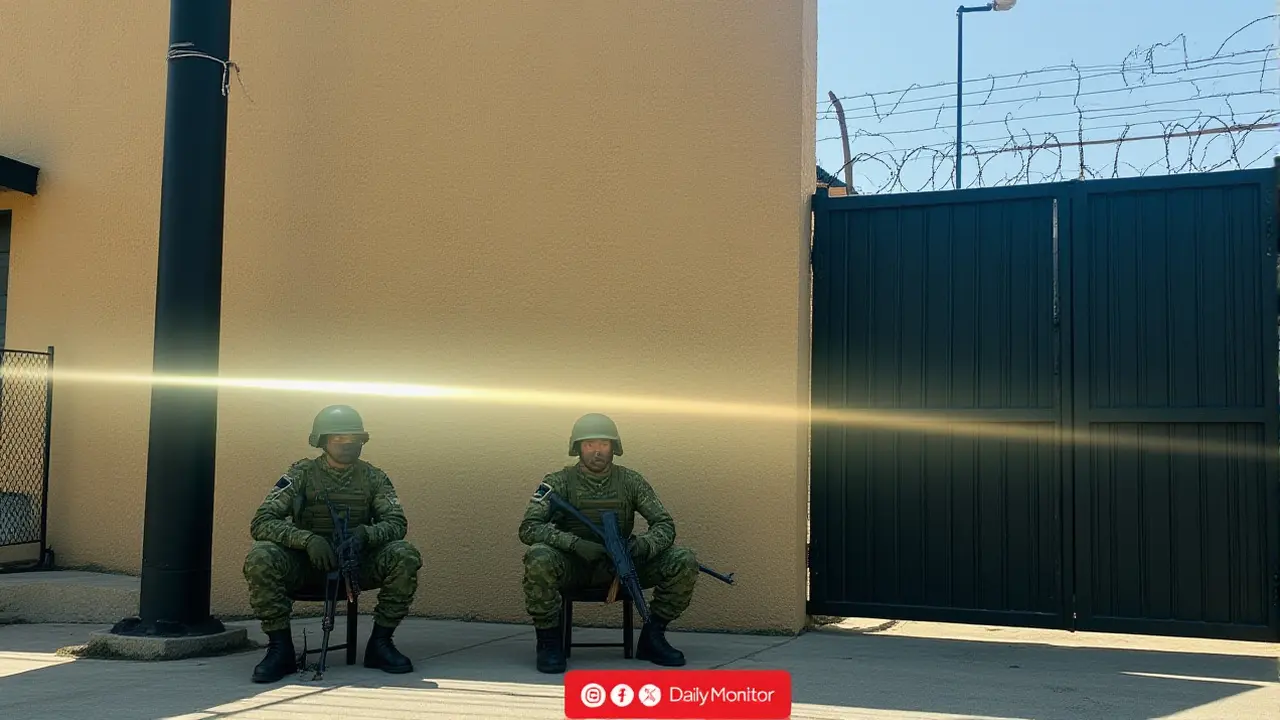
The operation targeted Nation Media Group, East Africa’s largest independent media conglomerate. Armed security forces surrounded NMG’s headquarters in Namuwongo and its Serena Hotel location in Kampala early on June 28, 2026. Affected outlets included NTV Uganda, Spark TV, the Daily Monitor newspaper, Dembe FM 90.4, and KFM 93.3.
Here’s the thing: the regulator was nowhere to be found in the initial chaos. The Uganda Communications Commission (UCC), responsible for overseeing broadcasting standards, stated it was “still preparing” an official statement. Social media users quickly pointed out the irony, with one asking if the UCC even knew the shutdown had happened until they saw it online.
A Military Siege on Press Freedom
The scene at the Nation Media Group offices was described by staff as a “military siege.” No one was allowed to enter or leave. For viewers at home, the impact was instantaneous. Channels that had been staples of Ugandan news coverage simply vanished, replaced by a stark “video unavailable” message.
General Kainerugaba took to X (formerly Twitter) to justify the move. He insisted he believed in a free press but argued it must follow the “rules of the revolution.” His warning was blunt: “From now on ALL bad stories about Uganda have to be cleared by my office!” He reiterated that the Daily Monitor and NTV Uganda would not reopen without his explicit permission.
This isn’t just a sudden impulse. Kainerugaba claimed this authority has existed since 2017, when his father, President Museveni, allegedly conferred the power upon him. It’s a striking assertion of personal control over national discourse, bypassing established legal and regulatory frameworks entirely.
The Regulator’s Silence
While the military acted decisively, the civilian regulatory body remained conspicuously quiet. As of Monday morning, the UCC had not issued a substantive explanation. Reports from Business Focus and Kamwokya Times confirmed the commission was gathering information but had no timeline for a formal response.
This silence is deafening. In a democracy, regulators are supposed to enforce laws, not wait for military orders. The lack of clarity from the UCC, the Uganda Police Force, and the UPDF created a vacuum filled by speculation and fear. Industry bodies were left wondering if the licenses of these stations had been revoked, suspended, or simply ignored by force.
Historical Echoes and Human Cost
Ugandans familiar with recent history recognize this pattern. The Daily Monitor was shut down for 10 days in 2013 after publishing the controversial “Muhoozi Project” letter. NTV Uganda was taken off air shortly after its launch in 2007 due to negative coverage. This latest crackdown feels like a darker chapter in the same story.
But behind the political maneuvering are real people. The Independent Online Journalists Association of Uganda (INDOJA-U) highlighted the human toll. Hundreds of journalists, technicians, producers, and support staff face immediate uncertainty. Their livelihoods hang in the balance while authorities deliberate—or refuse to do so.
“The closure undermines press freedom and threatens accountability in Uganda,” INDOJA-U stated, urging urgent dialogue between the government, the Ministry of ICT, the UCC, and the CDF.
What Happens Next?
The National Broadcasters Association of Uganda has vowed to seek clarification from the government, arguing the shutdown violates the constitution. Legal challenges are likely imminent. However, General Kainerugaba’s stance suggests that legal arguments may hold little weight against military decree.
For now, the focus remains on the pending UCC statement. Will it legitimize the military action? Will it cite specific regulatory breaches? Or will it remain silent, effectively endorsing the status quo? Until then, Uganda’s media landscape remains fractured, with one of its most vital voices silenced by order of the army commander.
Frequently Asked Questions
Why did General Muhoozi Kainerugaba shut down Nation Media Group?
General Kainerugaba cited “bad stories about Uganda” targeting top leadership as the reason. He claimed authority granted by President Museveni in 2017 to shut down media houses that violate what he calls the “rules of the revolution,” demanding all negative stories be cleared by his office first.
Which specific media outlets were affected by the shutdown?
The shutdown impacted several key Nation Media Group properties in Uganda, including television stations NTV Uganda and Spark TV, the Daily Monitor newspaper, and radio stations Dembe FM 90.4 and KFM 93.3. All operations were halted simultaneously following the military raid.
What is the role of the Uganda Communications Commission (UCC) in this incident?
As the national media regulator, the UCC is responsible for licensing and oversight. However, as of late June 2026, the UCC had not issued a formal statement explaining the legality or rationale behind the closures, stating only that it was still preparing a response. This silence has raised concerns about regulatory independence.
How does this event compare to previous media crackdowns in Uganda?
This incident mirrors past tensions, such as the 10-day shutdown of the Daily Monitor in 2013 following the “Muhoozi Project” scandal and the brief suspension of NTV Uganda in 2007. However, the current action is notable for its direct attribution to the military chief’s personal authority rather than standard legal procedures.
What are the implications for employees at Nation Media Group?
Hundreds of staff members, including journalists, technicians, and support personnel, face immediate job insecurity and income loss. Industry groups like INDOJA-U have condemned the move for causing widespread hardship among media workers who are unable to access their workplaces or continue their duties.