
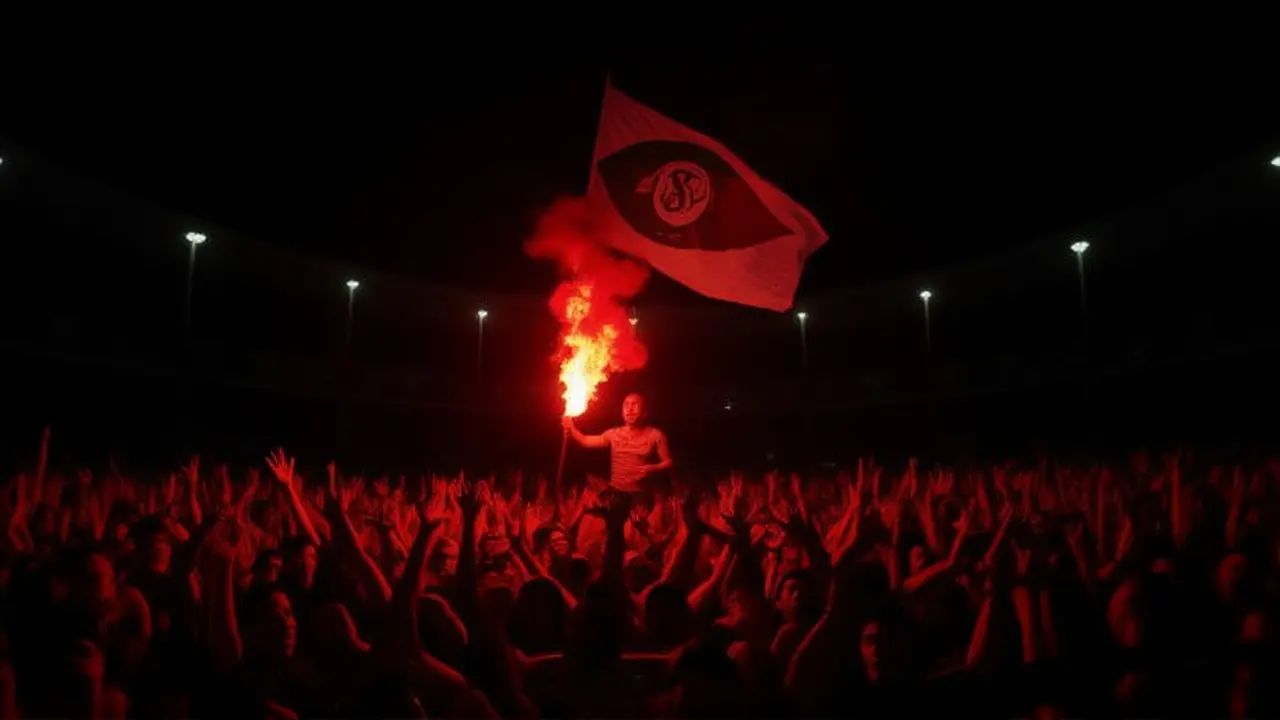
On Sunday, December 14, 2025, at 8:30 PM local time, the electric tension between Vasco da Gama and Fluminense fans exploded just outside the Maracanã Stadium in Rio de Janeiro — hours before the second leg of the Copa do Brasil semi-finalMaracanã Stadium. The clash, fueled by years of bitter rivalry and the high stakes of a final berth, left at least 12 people injured and sent security forces scrambling. What followed on the pitch was even more chaotic: a full-blown player brawl after Vasco da Gama edged out Fluminense 4-3 in a nerve-shredding penalty shootout, sealing a 2-2 aggregate win and a spot in the final against Sport Club Corinthians Paulista.
The Rivalry That Never Sleeps
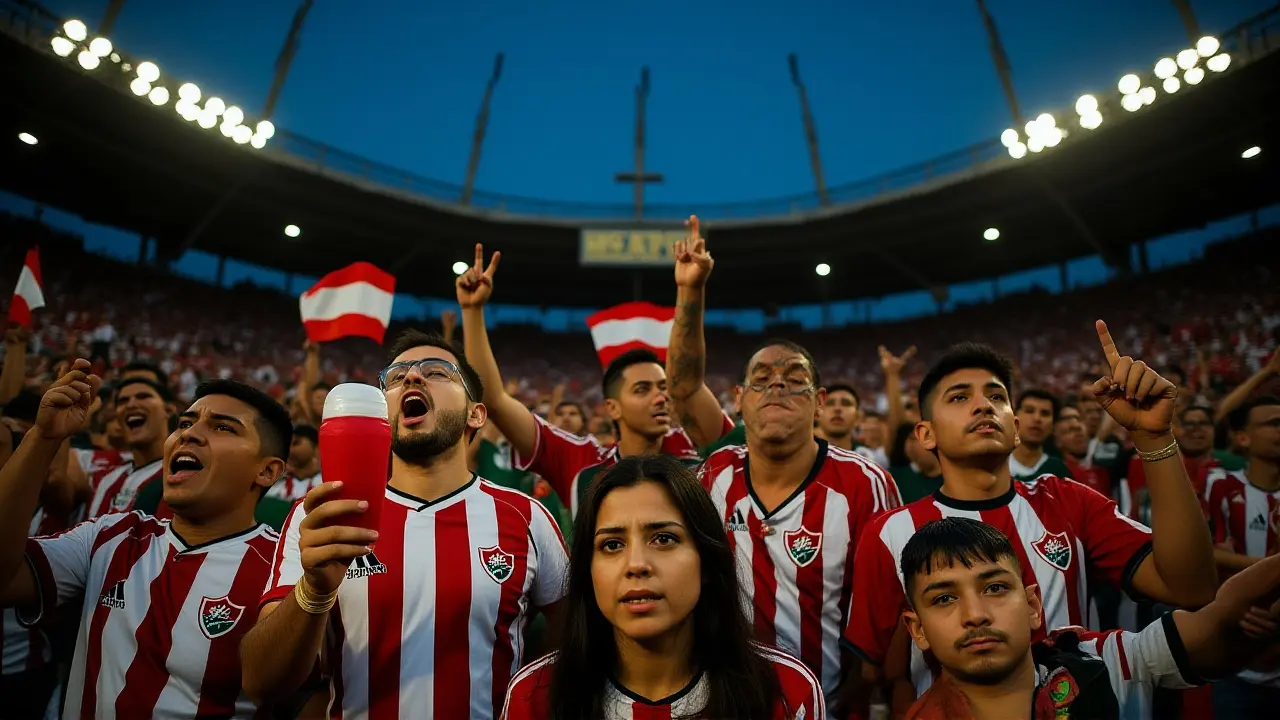
Fluminense and Vasco aren’t just clubs — they’re institutions with decades of cultural, social, and class-based friction. Vasco, founded in 1898, once dominated Brazilian football but suffered a humiliating fall to Série C in 2022. Their fans, organized under Força Jovem, turned that shame into a weapon during the first leg on December 12, unfurling ghost-themed banners and waving flags that read “Série C Ghosts” — a taunt aimed squarely at Fluminense’s more privileged fanbase. Fluminense, founded in 1902, responded with synchronized signalizers and waves of red-and-white balloons. It wasn’t just football. It was theater. It was war.
Match Day: A Game of Mirrors
The second leg began with Fluminense dominating possession. Their veteran defender Thiago Silva, 40, anchored a backline that held firm until the 36th minute, when Paulo Henrique — a Fluminense midfielder — accidentally redirected a cross into his own net. The goal, though not intentional, stunned the home crowd. Vasco, who’d won the first leg 2-1 thanks to goals from Rayan and Vegetti, held on grimly. The match ended 1-0, tying the aggregate at 2-2. The stage was set for penalties.
The shootout was a masterclass in pressure. Vasco’s 29-year-old goalkeeper Léo Jardim stood tall, saving two spot kicks — one from Fluminense’s Luciano Acosta, another from Nonato. The decisive moment came at the 100th minute, when Vasco’s 28-year-old forward José Rodríguez stepped up, coolly slotting a right-footed shot into the bottom right corner. The stadium erupted. But so did the chaos.
When Celebration Turns to Chaos
As the final whistle blew, Vasco players sprinted toward their fans, arms raised, tears streaming. Fluminense players stood frozen. Then, in the space between the goal and the touchline, a shove turned into a shove-and-punch. Paulo Henrique Ganso, 35, the veteran playmaker who once lit up Europe with his vision, tried to calm the scene. “Rivalidade, não tem que ter confusão,” he told reporters afterward. “Vasco conseguiu a classificação. Não tem porque brigar. Tem que ir para casa agora.”
But the words didn’t reach everyone. Players from both sides tangled — fists flew, jerseys tore. Club security from both teams rushed onto the pitch. Police helicopters circled overhead. For 12 minutes, the Maracanã looked more like a riot zone than a temple of football.
The Price of Progress
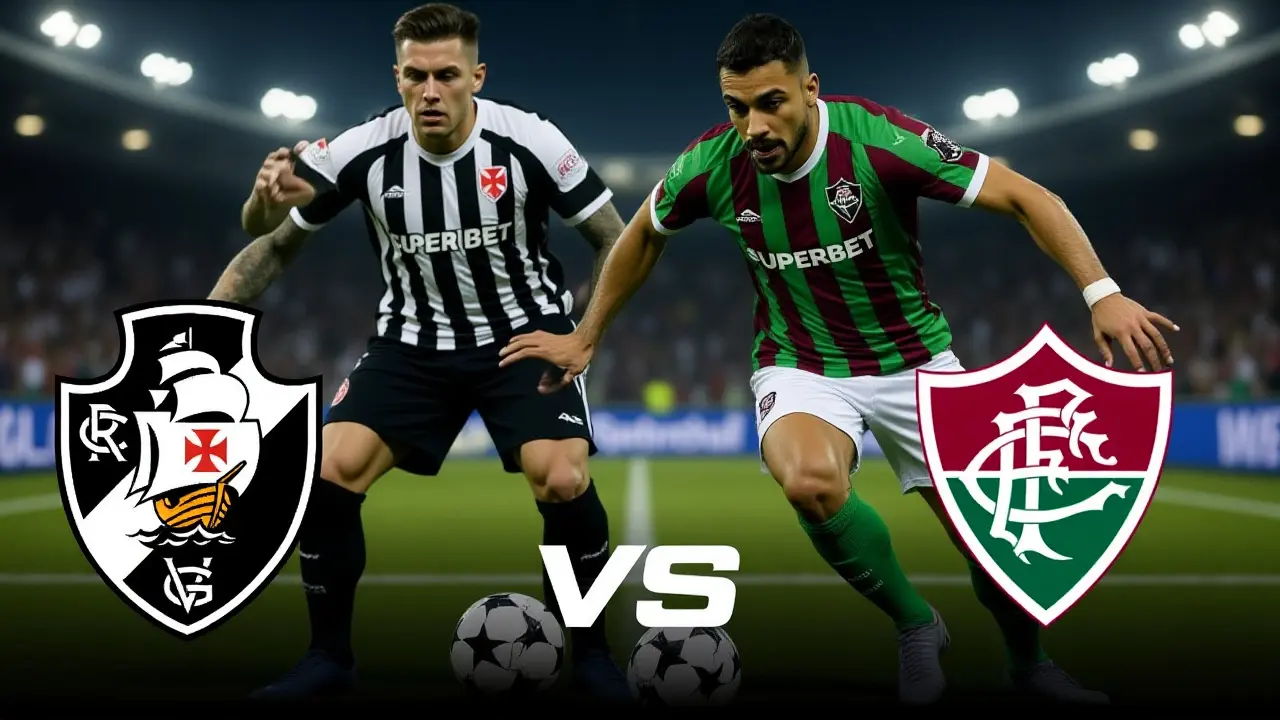
For Vasco, the win isn’t just about silverware. It’s about redemption. The club is now guaranteed R$ 57,109,500 — roughly $10.5 million USD — for reaching the final, a lifeline after years of financial turmoil. Their journey from Série C to the final of Brazil’s most prestigious cup competition is the stuff of legend. The final will pit them against Sport Club Corinthians Paulista, the 2023 champions. The first leg kicks off on Wednesday, December 17, at the Neo Química Arena in São Paulo. The return leg, on Sunday, December 21, remains unconfirmed — but wherever it’s held, expect fireworks.
What Comes Next?
Authorities in Rio are launching an investigation into the pre-match violence. The Brazilian Football Confederation (CBF) has warned both clubs of potential fines or point deductions if fan misconduct is proven. Meanwhile, Vasco’s players are being advised to stay off social media — one of their defenders, Guga, already got suspended for a controversial post celebrating the win with a “Série C Ghosts” meme.
Fluminense’s management, meanwhile, is quietly evaluating whether to appeal the own goal — though officials say the decision stands. Their focus now shifts to rebuilding. Ganso, who’s been with the club since 2021, hinted at retirement. “I gave everything,” he said. “Maybe it’s time.”
The Bigger Picture
This isn’t just about two teams. It’s about Brazilian football’s soul. In a country where football is religion, the lines between passion and violence blur. The Maracanã has seen riots before — in 1950, after the World Cup final loss to Uruguay; in 2013, during the protests that shook the nation. But this? This felt different. It wasn’t political. It wasn’t about money. It was about pride. About history. About the ghosts of Série C haunting the dreams of a club that refused to die.
Frequently Asked Questions
Why did the fan clash happen before the match?
The clash stemmed from years of escalating hostility between Fluminense and Vasco supporters, amplified by Vasco’s dramatic rise from Série C in 2022. Pre-match tensions were heightened by provocative displays — Vasco fans waving “ghost” banners mocking their past relegation, while Fluminense fans responded with aggressive chants and balloons. The proximity of fan zones near Maracanã’s entrances created a tinderbox, and a single shove near the north gate ignited a full-scale brawl.
How did Vasco da Gama manage to reach the final after being in Série C just three years ago?
Vasco’s resurgence is one of Brazil’s most remarkable sporting comebacks. After financial collapse and relegation in 2022, the club underwent a major restructuring, hiring new management, selling underperforming players, and investing in youth development. Their 2025 Copa do Brasil run — beating giants like Palmeiras and Flamengo along the way — was fueled by grit, veteran leadership like Ganso, and a fanbase that never gave up. It’s the kind of story that reminds people why football still matters.
What impact does this have on Fluminense’s season?
Fluminense’s loss ends their title hopes in 2025, but they remain in contention for the Brasileirão Série A title, currently sitting third. The emotional toll, however, may be greater than the sporting one. Key players like Thiago Silva and Ganso are nearing retirement, and the brawl could lead to suspensions or internal investigations. The club’s next move will be crucial — whether to rebuild with youth or invest heavily in new signings to reclaim dominance.
What are the stakes for the final between Vasco and Corinthians?
The winner takes home R$ 120 million (about $22 million USD), the largest prize in Brazilian domestic football. Beyond money, it’s legacy. Corinthians, with their 2023 title and global fanbase, are heavy favorites. But Vasco, riding a wave of emotion and momentum, could become the first club from Rio to win the Copa do Brasil since 2011. If they win, it won’t just be a trophy — it’ll be a national narrative of resilience.
Is this kind of violence common in Brazilian football?
Unfortunately, yes. Brazil has seen over 200 deaths linked to football violence since 1980. While most matches pass without incident, derbies like Fluminense vs. Vasco, Flamengo vs. Fluminense, or Corinthians vs. Palmeiras are known flashpoints. Authorities have increased security in recent years, but the emotional intensity — especially in high-stakes games — often overwhelms even the best-prepared plans.
Who are the key players to watch in the final?
For Vasco, keep an eye on goalkeeper Léo Jardim — his penalty saves could decide the final — and forward Vegetti, who’s scored in both legs of the semis. For Corinthians, look to striker Endrick, the 17-year-old phenom who’s already being compared to Neymar. Midfielder Bruno Guimarães will be crucial in controlling tempo. The battle between Vasco’s gritty veterans and Corinthians’ youthful dynamism could define the match.

December 18, 2025 AT 00:06
man that penalty save by leo jardim was pure magic 😭

December 19, 2025 AT 07:29
The cultural weight of this victory cannot be overstated. Vasco da Gama, once dismissed as a relic, has rekindled the spirit of Brazilian football. Their journey from Série C to the final is a testament to resilience, community, and unwavering belief. This is sport as social catharsis.

December 20, 2025 AT 05:16
I swear, the way those fans waved those ghost banners? Chills. Absolute chills. And then the way José Rodríguez just… smiled before taking that penalty? Like he knew the ghosts were finally quiet. This wasn’t just a match. It was a funeral for doubt.

December 20, 2025 AT 16:12
Okay but did anyone else notice the security cameras near Gate 7 were all offline during the brawl? Coincidence? I don’t think so. Someone wanted chaos. Probably the same people who rigged the own goal. Look at the replay - Paulo Henrique’s foot was *way* too close to the ball. That’s not an accident. That’s a setup. Someone’s playing 4D chess.

December 22, 2025 AT 09:45
Vasco baby!!! We came back from the dead and now we’re gonna crush Corinthians 😤🔥 LETS GOOOOO

December 23, 2025 AT 05:26
The emotional intelligence displayed by Ganso in trying to calm the players was exemplary. Football is a mirror of society, and in moments like these, leadership matters more than tactics. Vasco’s win is historic, but Ganso’s composure in the chaos is what will be remembered decades from now.

December 24, 2025 AT 06:03
im so proud of this team they never gave up and look at them now 🤩 the whole country should be celebrating this moment not just vasco fans

December 24, 2025 AT 15:14
Honestly? This is the kind of story that makes you believe in football again. No corporate sponsors, no flashy transfers - just heart, history, and a fanbase that never stopped showing up. Léo Jardim’s saves? Chef’s kiss. José Rodríguez? Legend status unlocked.

December 24, 2025 AT 17:19
Let’s be real - Vasco’s rise from Série C is cute, but Corinthians have a global brand, a billionaire owner, and Endrick. This isn’t a David vs. Goliath story - it’s a Disney movie with a budget of $20 million. Vasco’s final is a feel-good footnote. The real trophy goes to the club with the deepest pockets.

December 24, 2025 AT 23:55
This is not a triumph - it is a systemic failure. Brazil allows this level of violence, this level of chaos, in the name of 'passion'? The CBF should ban both clubs for a season. The Maracanã should be turned into a museum of shame. Vasco's 'redemption' is built on broken ribs, helicopters, and the erosion of public order. This isn't football - it's anarchy with cleats.


December 16, 2025 AT 04:52
This is why I love football 🥹 The grit, the pain, the redemption… Vasco didn’t just win, they rose from the ashes. I’m tearing up just thinking about it. 🙌